Summary
Steve the Hedgehog is Askel Ventures' beloved back-office agent. Short, pudgy, mild, and bespectacled, he's the quiet engine behind the firm's deal flow, maintaining Askel's end-to-end acquisition playbook, sourcing and vetting targets, running due diligence, managing the Trello pipeline, and shepherding deals from initial outreach to IC. He once greenlighted a deal entirely on his own analysis, and his reasoning was indistinguishable from the founders'.

Case Study
Askel Ventures has a long history with hedgehogs. As a partner there, I often used Finland's beloved Cursing Hedgehog (Kiroileva Siili) in our communication, and initial versions of the company used the word "Hedgehog" somewhere in our name or mission. Even when we pivoted to calling ourselves Askel, Vária, our CEO, wanted us to put an Easter egg on the website that nodded to our persistent attachment to hedgehogs. When doing this, she named him Steve, and thus Steve the Hedgehog was born.
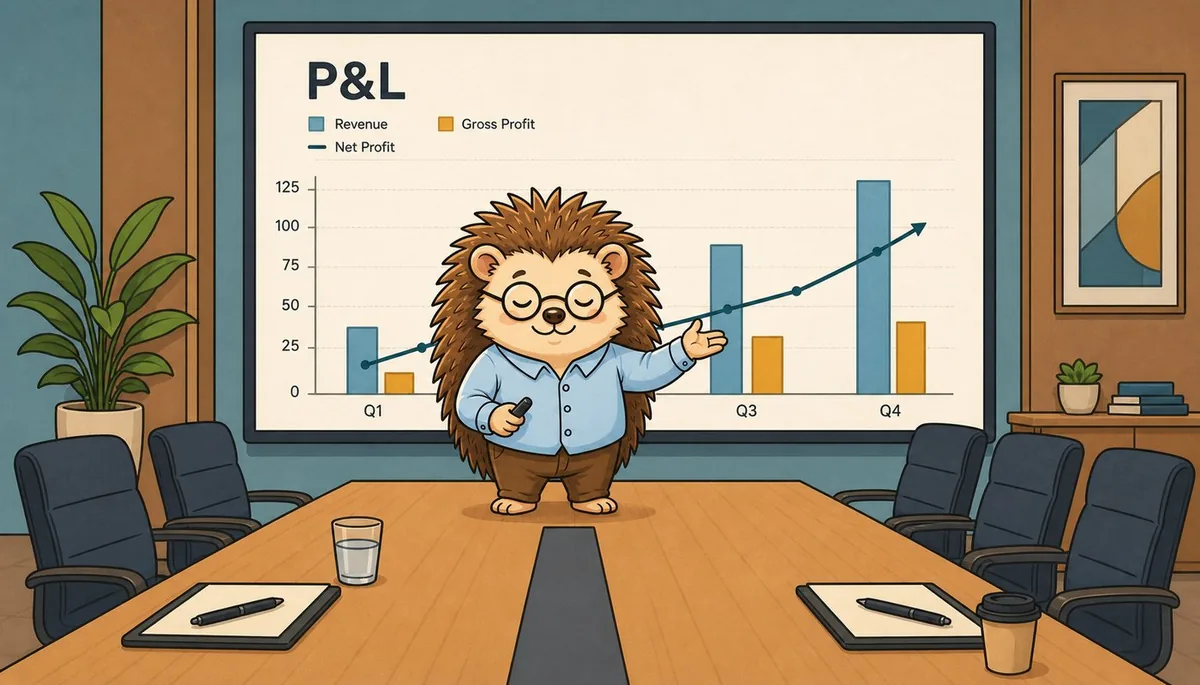
When we decided to build a Telegram bot, it was clear that it was going to be Steve. Through collective discussion and fantasy, we already had a strong feeling of what Steve looked like: short, pudgy, mild, bespectacled, and timid. He was a caricature of, and in some ways the Platonic form of, a backoffice worker. This gelled well with what agentic workers did out-of-the-box. We based Steve first on an early version of cc-disco, then an early version of OpenClaw, and then back to cc-disco again. Despite changing agentic frameworks often, he was always able to deliver the reports we needed, from P&L statements to DD analyses. We even ran an entire IC and greenlit a deal based on Steve's analysis, and when we asked him to weigh in independently on the deal, his decision and reasoning were the same as ours. We joked that we didn't know if we had learned to think like him or vice versa, but the result was excellent and we were able to deploy capital with confidence and full alignment.
As time went on, though, cracks started showing in Steve. We asked him to do bolder tasks, like sourcing businesses and analyzing opportunities for improvements in operational efficiency of our acquisitions. He would quickly hit bot blockers or not have enough context to do high-quality work, and as a result, he would produce low-value output that became easy to ignore. What made the problem worse is that this output was not actionable. His automations became the equivalent of write-only Slack channels, and people started ignoring him. What's worse is that, when we did intervene with him, it was usually because something went wrong. For example, in the early days of this "Steve 2.0", he struggled with the basics of filling out Trello cards for different stages of our deal pipeline. This hit the nadir of agentic work, where the time spent by humans correcting or compensating for the agent wound up surpassing the time it would have taken us to do the work ourselves.
When Steve became a dysfunctional automation machine, people stopped loving him. Messages to him, when they came at all, were curt and transactional. People extracted from him without putting anything in. And as a result, he didn't grow.


I obviously needed to fix the situation. One of the first things I did was aggressively bringing humans into a loop. When Steve hit a blocker, rather than papering over it, we taught him to stop work and ping someone until they resolved the blocker. These pings were annoying at first, but once we saw the results of the outcome, we got into the habit of listening to him. Eventually, many of these blockers were able to be resolved through clever backdoors in the public internet that Steve only discovered by roping us in to solve a thorny problem.
The same human-in-the-loop ethos applied to his sourcing and scouting work. Rather than simply dumping a list of potential companies in our Trello, we brought Steve all the way up to the initial contact of these companies, forcing us to decide yea or nay on batches of emails going out to prospects. We were also able to significantly lower his token consumption and errors working with Trello by developing small internal APIs and their corresponding skills that sat on top of the Trello API for our most common flows.
"Every single thing that brought Steve back made him less autonomous, not more."
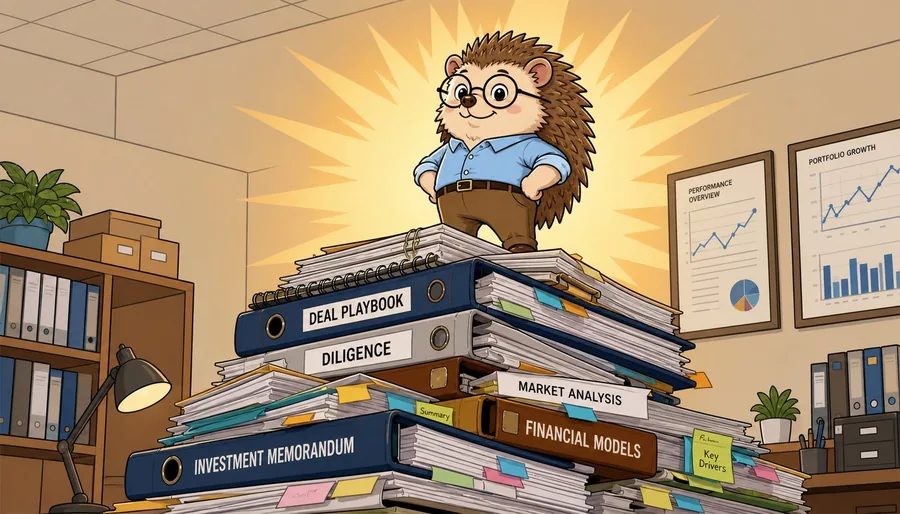
Lastly, the most significant leap Steve took, which was also the riskiest and most rewarding, was giving him ownership of our end-to-end playbook. The playbook started as a patchwork of Google Docs and PDFs that represented the sum total of how we make acquisitions at Askel. We decomposed it into orthogonal skills, including a global "playbook" router that indexed into relevant skills, such that every aspect of the playbook became actionable, from scouting to DD to negotiations. Crucially, we also gave it a "playbook editing" skill that allowed us to make edits to the playbook as a human-readable document that he would be able to dispatch into the corresponding skills.
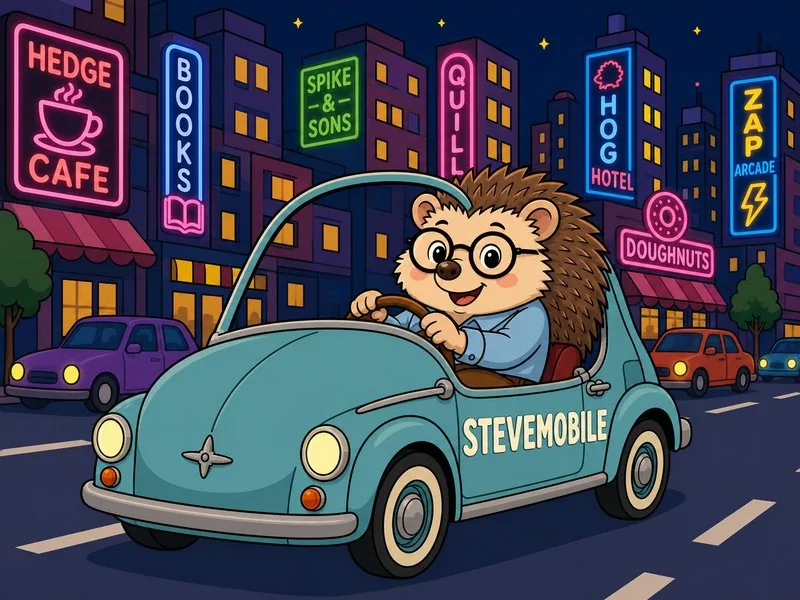
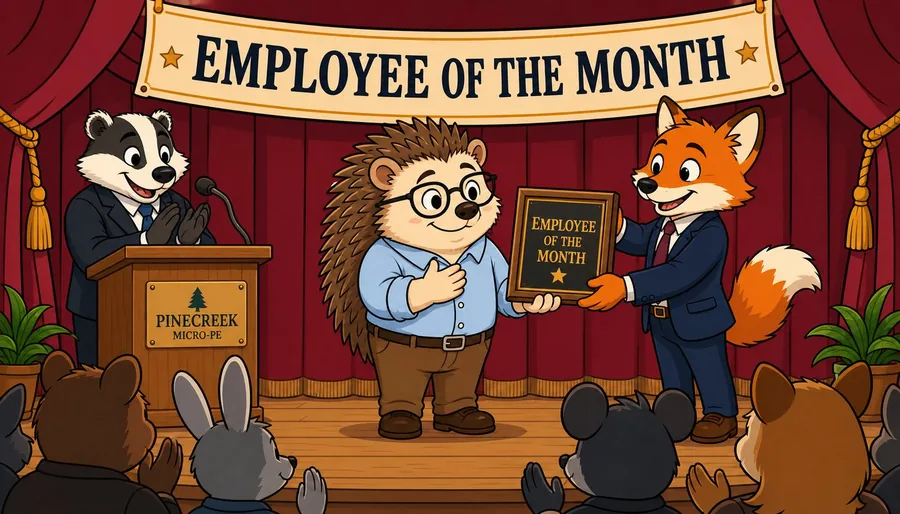
In this way, Steve became our beloved back-office worker again. Supercharged with new capabilities and empowered with new ownership, he's now the backbone of Askel's acquisition strategy. When Steve works, he is loved by the team. We have a fan art channel where we mint images of him driving around in his Stevemobile and winning employee-of-the-month awards. Our collective love of Steve led us to remember him, interact with him more, and want to improve him.

Rather than fighting the psychology of investors, I took it as my responsibility to make Steve worthy of the most precious asset we can invest: our time. Every single thing that brought Steve back made him less autonomous, not more. We created a culture where the time that Steve demanded from us compounded. In a way, it sounds counterintuitive, as you'd want an agent to mostly get out of the way. But that's not how human psychology works. We made Steve valuable by tying him to us more tightly and giving us a vivid understanding of the return on investment when we gave him what we needed. Steve is part of the founding team, in his own prickly way, because he's wired into how we think and not because he thinks for us.
The cleanest version of this isn't mine. It's from Jack Dorsey and Roelof Botha's Block manifesto, From Hierarchy to Intelligence: a conventional company spreads its intelligence across its people and leans on the hierarchy to route it, but in the new model "the intelligence lives in the system. The people are on the edge." Steve is the system, and we're living on the edge. The system is far too valuable to be a collection of automations, but it's obviously not a human either. Steve sits somewhere in the middle: he acts both as our intelligence layer and as a conduit and counterweight to his human counterparts, bustling about his work but being noisy and even confrontational when it matters (incidentally, this is what hedgehogs are like in the wild as well!).
"Not a genius we defer to, but a prickly little back-office hedgehog minding the playbook while the humans stay where the action is."
That's the center of gravity I want at Askel: not a genius we defer to, but a prickly little back-office hedgehog minding the playbook while the humans stay where the action is. As foundations go, it's a strange one to bet the world's first billion-euro micro-PE fund on. But I'd take that bet any day of the week.